
Thatch is not a problem most of the time in the life of turf grass. When thatch truly becomes a problem the turf suffers from the lack of water and nutrition. Most important, if you have thatch it is likely because you are doing something wrong. A healthy lawn does not have thatch.
What Is Thatch?
Thatch is a dense, fibrous mat of dead grass roots, crowns, and stems that naturally accumulates on the soil surface just below the live grass blades. It decomposes slowly because it is composed largely of a tough material called "lignin" that resists the efforts of soil microorganisms to break it down. Grass clippings do not cause thatch, although they are sometimes visible lying on it. They fall on its surface when you mow, but since they are 85% to 90% water and are rich in nitrogen, they quickly decompose in healthy soil that teems with lots of microbial life. Earthworms also incorporate them into the soil as valuable organic matter.
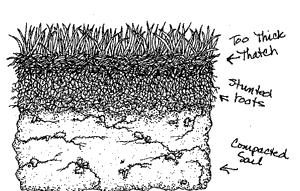 |
A thatch layer about ¼ inch thick or less is a normal part of the turf and is not a problem. In fact, it buffers soil temperature extremes and provides some resilience on playing fields. Typically, however, residential lawns often accumulate too much thatch. When the mower is difficult to push or big clumps of dead brown stems and roots surface during a brisk raking of the lawn there is too much thatch.
Excessive thatch prevents water and fertilizer from penetrating the soil, and blocks root growth, weakening the grass and making it more vulnerable to drought. It also creates a haven for pest insects and disease pathogens.
