
Deal with a thatch problem in two steps.
First, remove the existing thatch. (see Dethatching Rakes in Tool Shed)
Then control future buildup by improving your lawn soil and modifying your lawn care routine.
Early fall is the best time for dethatching most lawns because the existing grass plants do not have to contend with summer heat stress while they recover.
 |
Late spring is the next best time in the North.
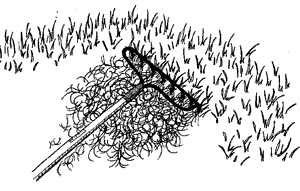
While a brisk raking with a lawn or garden rake dislodges and surfaces some thatch, a dethatching rake does the job most efficiently. The hand dethatching rake has curved sharp pointed metal tines that are designed to work just above the soil surface to pull out the tangled thatch debris. Some models have wheels at each side to maintain a consistent raking depth. For larger lawns rent a powered dethatching machine, also called a power rake. It is more thorough and faster and is designed to extract the thatch without harming the live grass plants.
Tip: Tall fescue or perennial rye in the North and Bahia or carpetgrass in the South grow in clumps, so they are slower to accumulate thatch.
