
More Watering
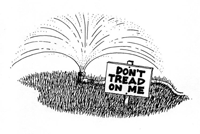 |
A common mistake when renovating a new lawn is to neglect watering once the grass seed has germinated. New seedlings need steady moisture from frequent watering or rainfall. Their immature root systems only penetrate into the soil an inch or so where it dries out quickly during warm weather.
Continue to water frequently and deeply enough to keep the top few inches of soil moist. If you have mulched the new seed the straw or garden fleece will help retard water loss from evaporation. If there is no rain, water new grass at least twice a week until it is a few months old.
Mowing New Grass
While you wait for the grass seed to germinate and grow tall, sharpen your mower blade or buy a new one. Dull mower blades damage new tender grass blades.
Mow the new grass before it gets too tall and flops over. When it grows to about 2 inches, cut it down to 1½ inches. Then wait till it is 2½ inches and cut it back to 2 inches. Maintain a fall renovated lawn at about 2 inches as it gets cooler and the new grass eventually goes dormant. Be sure to remove falling leaves promptly before they smother young grass plants. Mow spring renovated lawns at 2 inches for a month or two, then raise the mower height a bit as heat and dry weather arrive.
Although it is wise to leave grass clippings when mowing established lawns, collect the clippings for at least the first two or three mowings of newly renovated lawns, even if you have a mulching mower. This will assure that the new seedlings receive maximum light for their early development.
Followup Fertilizing
If you used a seed starting fertilizer in the fall when you prepared the seedbed prior to sowing seed, there is no need to fertilize again until the following spring. Then use a slow acting granular lawn fertilizer to provide consistent, uniform nutrition over many weeks during the growing season. If you did not use a starter fertilizer during the seeding process, spread a winter formulation of slow-acting lawn fertilizer on the new turf later in the fall or a regular slow-acting fertilizer early the following spring.
Later in the renovated lawn’s first summer a follow-up fertilizer snack is helpful, but not essential. Spray it with a liquid lawn fertilizer for use with a hose end sprayer. Take care that the product does not include any pesticide. Do not use it during a droughty period. This snack will gives the new grass an extra boost to get it through the summer.
