
 |
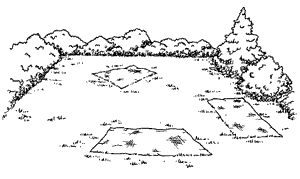
Mulching: To assure the best seed germination in an overseeded patched area cover the site with some kind of mulching material. This will keep the seed moist longer, discourage birds and runoff in heavy rains. A lawn patch kit includes mulch, otherwise, add it yourself by spreading a thin layer of straw, chopped leaves, compost, or commercial bagged mulch for patching (usually made of recycled newspaper). The best mulch is cheesecloth, which rots away naturally when its job is done, or white polyspun floating row cover which is removed when grass seedlings are established. Both allow air, light, and water to penetrate freely.
Watering: Remember to water patched areas at least twice a day if it does not rain for at 10 days to 2 weeks, whether it is seeded, sodded or plugged. Continue to water less frequently, more deeply, as roots grow down into the soil farther. This is especially critical during summer months when the heat dries out the soil quickly.
Mowing: Mow the new grass in patched areas when it reaches the height of the surrounding lawn.
