
 |
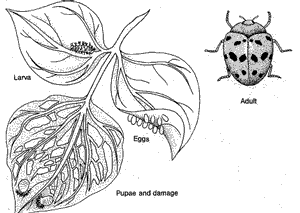
Adults and larvae feed on the lower or under surfaces of foliage, skeletonizing the leaves; in other words they leave the skeleton of the leaf and eat the middle parts, leaving the leaves looking like lace. Sometimes the larvae will just sort of scrape the surface of the leaf without going through leaving a brown spot when looking down from above. When in high numbers they also feed on bean pods and stems.
VULNERABLE PLANTS - Usually the Mexican bean beetle goes after the bean family - pole beans, bush beans, and lima beans. But if it is still hungary it will sometimes go after summer squash, winter squash, eggplant and okra.
How Many Make a Problem? - You do not have to panic as soon as you see one little hole in a bush bean leaf. Bean plants are very tolerant of limited defoliation; up to 20%. They will produce just fine with a modest amount of beetle damage. So keep an eye on the situation and if you see more than a quarter of the plants under attack it is time to take some action.
Stress Encourages Pest Problems
Mexican bean beetles will always prefer to munch on those bean plants that are in stress; maybe they taste better. In any case, if you can spot where the critter first attacked you plants, you can begin to figure out if maybe there is some other problem that needs to addressed along with dealing with the beetles. Is the plant getting too much shade? Is the soil too wet? Solve the cause of plant stress and you are less likely to have any serious beetle problems.
