
 |
Most Vulnerable Plants of Wireworm
Lawns - All varieties of lawn grass can be vulnerable
Flowers - Gladioli, dahlias, ornamental grasses, other bulbs.
Vegetables - Root crops (especially potatoes, beets, onions, and carrots), corn is very vulnerable, peas, beans, lettuce, cabbage, and other vegetables especially in the seedling stage
Carrot - Sometimes wireworms tunnel into carrots, leaving a blackened entrance hole (but no red sawdust, as with rust flies.) Plants are usually stunted and roots are poorly formed.
Symptoms of Wireworms
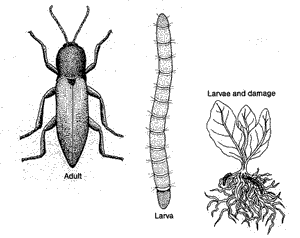
Wireworms are most often found in lawns or in gardens that have recently been planted in previously sodded areas or in soils adjacent to pasture land. Wireworms chew on the underground stems, roots, seeds, and tubers of a wide variety of plants. Infested plants have a sickly, stunted appearance and sometimes wilt and die; if pulled up they are found to have little or no root system. Wireworms eat holes in roots, rhizomes, and tubers, causing plants to wither and die. They'll also feed on seeds, and may be the reason some of your ornamentals haven't germinated.
